1.Cryptography and PKI
2.Secure Network
3.Authentication and Access Control
4.Secure Remote Access
5.Endpoint Security
6.Secure Data and Applications
7.Cloud Security and Virtualization


This foundational course provides an introduction to the world of cybersecurity, designed for individuals new to the eld. Whether you're aiming for a career in IT, technolo gy management, or cybersecurity, this course serves as the ideal starting point. You will explore key cybersecurity concepts and technologies, building a solid foundation for further study in more advanced topics related to cybersecurity careers. By the end of this course, you'll be equipped with the basic knowledge to pursue professional certi cations and deeper learning in cybersecurity.

1.Cryptography and PKI
2.Secure Network
3.Authentication and Access Control
4.Secure Remote Access
5.Endpoint Security
6.Secure Data and Applications
7.Cloud Security and Virtualization

Introduction to the threat landscape This course, candidates will learn about the cyberthreat landscape. This landscape includes the threats that endanger computer networks, the cast of bad actors who are behind these threats, and the cybersecurity first principles that, if followed, can keep you and your computer network safe.

In this course, you will gain hands-on experience with the most widely used FortiGate features. Through interactive labs, you'll explore key topics such as firewall policies, user authentication, high availability, SSL VPN, site-to-site IPsec VPN, and Fortinet Security Fabric. Additionally, you'll learn how to secure your network using security profiles like IPS, antivirus, web filtering, application control, and more. These administration fundamentals will equip you with a strong nderstanding of how to implement essential FortiGate features effectively.

This hands-on, lab-only course is available for purchase and focuses on a series of DIY configuration tasks within a virtual lab environment. The tasks are designed to cover key topics from the FCP FortiGate 7.4 Administrator exam, incorporating essential FortiGate features such as firewall policies, the Fortinet Security Fabric, user authentication, SSL and IPsecVPNs,equal-cost multi-path (ECMP) routing, IPS, high availability (HA), and content inspection.

In this course, you will gain a solid understanding of using FortiAnalyzer for centralized logging. You will also learn how to detect current and potential threats through log analysis. Additionally, the course will cover managing events, incidents, reports, and task autmation using playbooks. These skills will equip you with astrong foundation to pursue a role as a SOC analyst in an environment utilizing Fortinet products.

In this course, you will gain knowledge on the initial configuration of FortiSIEM, its architecture, and the process of discovering devices on the network. You will also learn how to gather performance data and combine it with syslog information to enhance the overall monitoring of your environment's health. Additionally, the course will cover the use of the configuration database to simplify compliance audits and how to integrate FortiSIEM into your network awareness infrastructure.

In this course, you will explore the architecture of FortiSOAR and gain the skills to deploy, configure, manage, operate, and monitor FortiSOAR within a Security Operations Center (SOC) environment. You will also learn about system customization options, high-availability (HA) deployment, security management through role-based access control (RBAC), and various tools for system monitoring.

In this course, you will learn how to utilize FortiEDR to safeguard your endpoints against advanced threats while leveraging its real-time, orchestrated incident response capabilities. Additionally, you will explore FortiEDR's features and understand how they provide automatic, real-time endpoint protection

This course provides an essential introduction to the cyber threat landscape, exploring the various risks that threaten computer networks. You will gain insights into the different types of cyber threats, the malicious actors behind them, and the fundamental cybersecurity principles that are critical for safeguarding networks. Designed for beginners, this course serves as a foundational step for those new to cybersecurity, o ering key knowledge to protect both personal and professional networks from emerging cyber dangers
In this course, you will gain hands-on experience with the most widely used FortiGate features. Through interactive labs, you'll explore key topics such as rewall policies, user authentication, high availability, SSL VPN, site-to-site IPsec VPN, and Fortinet Security Fabric.

In this course, you will gain hands-on experience with the most commonly used FortiGate features. Through interactive labs, you'll explore key topics such as rewall policies, user authentication, high availability, SSL VPN, site-to-site IPsec VPN, Fortinet Security Fabric

In this course, you will learn how to utilize FortiClient EMS features, provision FortiClient endpoints, integrate FortiClient EMS with the Security Fabric, and deploy and configure the zero-trust network access (ZTNA) agent along with endpoint security functionalities. Gaining a strong understanding of these product fundamentals will equip you with the knowledge needed to deploy, manage, and maintain endpoint security with FortiClient EMS.

In this course, you will gain a foundational understanding of using FortiManager for centralized network management across multiple FortiGate devices. Through hands-on labs, you will explore various deployment strategies, such as single or multiple ADOMs, device registration, policy packages, shared objects, and applying conguration changes

In this course, you will gain the skills to deploy, congure, and secure FortiAnalyzer. You will also learn how to register and manage devices with FortiAnalyzer. Additionally, you will explore the basics of logging and reporting management features within FortiAnalyzer. By the end of this course, you will have a strong foundation to become a professional FortiAnalyzer administrator

In this course, you will learn how to leverage FortiAuthenticator for secure authentication and identity management. You will gain hands-on experience in conguring and deploying FortiAuthenticator, using it for certi cate management and two-factor authentication, authenticating users through LDAP and RADIUS servers, and exploring SAML SSO capabilities within FortiAuthenticator
This course covers the key components of Microsoft Azure infrastructure and addresses the security challenges associated with these environments. Topics include high availability (HA), autoscaling, Azure Virtual WAN, software-de ned networking (SDN) connectors, and tra c management in the cloud using Fortinet products

In this course, you will learn how to harness the robust and varied features of FortiNAC, applying best practices to enhance visibility, control, and response. These core principles will give you a strong foundation in implementing network visibility and automating security measures.

In this hands-on course, you will gain the skills needed to deploy, provision, and manage a FortiSwitch with FortiGate using FortiLink. The course also covers the setup and troubleshooting of Layer 2 and Layer 3 features, along with the most common FortiSwitch stack topologies, including those that use multichassis link aggregation group (MCLAG) for improved redundancy and performance. Additionally, you will learn about FortiSwitch in standalone mode, its distinctive features, and how to manage a standalone switch either directly or via FortiLAN Cloud.

In this course, you will gain the skills to deploy, congure, and troubleshoot secure wireless LANs using an integrated wireless solution. Through hands-on labs, you will reinforce your understanding of centrally managing a secure wireless LAN with the FortiGate wireless controller

This course introduces candidates to the various components of Google Cloud infrastructure and the associated security challenges. Participants will explore key concepts such as high availability (HA), load balancing, and software-de ned network (SDN) connectors. Additionally, they will learn how to e ectively manage cloud track using Fortinet products.

This course introduces you to the essential features of FortiGate. Through interactive labs, you will gain hands-on experience with rewall policies, user authentication, high availability, SSL VPN, site-to-site IPsec VPN, and the Fortinet Security Fabric. You'll also learn to secure your network using security pro les such as IPS, antivirus, web ltering, application control, and more. These foundational administration skills will equip you with a comprehensive understanding of how to congure and use FortiGate's most common features effectively.

In this course, you will examine the email security challenges faced by administrators and learn how to e ectively deploy, manage, and troubleshoot FortiMail to safeguard your network from email-based threats. Additionally, you will explore FortiMail’s role as a specialized device, understanding how its features deliver high performance and robust security for vital business communications

In this course, you will gain hands-on experience in deploying, conguring, and troubleshooting FortiWeb. You will explore essential concepts of web application security and discover key protection and performance features. Through simulations of real-world tra c and attacks, you will learn how to manage the distribution of load from virtual to real servers, enforce logical parameters, inspect tra c ow, and secure HTTP session cookies. Additionally, the course will teach you how to congure and train machine learning models, as well as set up API protection and bot mitigation.
Entry Starting point for individuals interested in starting a career as a networking professional. Emigo Provides Best CCNA Coaching Center in Kochi ,Kerala

Earning a cloud certification demonstrates your knowledge and expertise in efficiently developing, deploying, and maintaining cloud-based solutions

Validate your cybersecurity knowledge and expertise with industry-recognized certification preparation training.From vendor-neutral certifications



Biju K Baby
Corporate Trainer
Microsoft|CEH

Paulson TD
Corporate Trainer
Cisco|Redhat

Sheeja S
Corporate Trainer
VMware Certified Instructor VCI | AWS Authorized Instructor AAI

Soumya T
Corporate Trainer
Cisco Security | R & S

Suma Rangappa
Corporate Trainer
Certified EC-Counsil Instructor CEI, CEH, ECSA,CFA,MTA

Siddiq Ahamed
4xCCI E # 17864
R&S, Security, SP, DC

Atif Hussain
DUAL CCI E # 29611
R&S, Security

Vishnu V Nair
CCIE #50757
Routing & Switching

Libins Tom Sebastian
CCIE# 51868
Routing & Switching
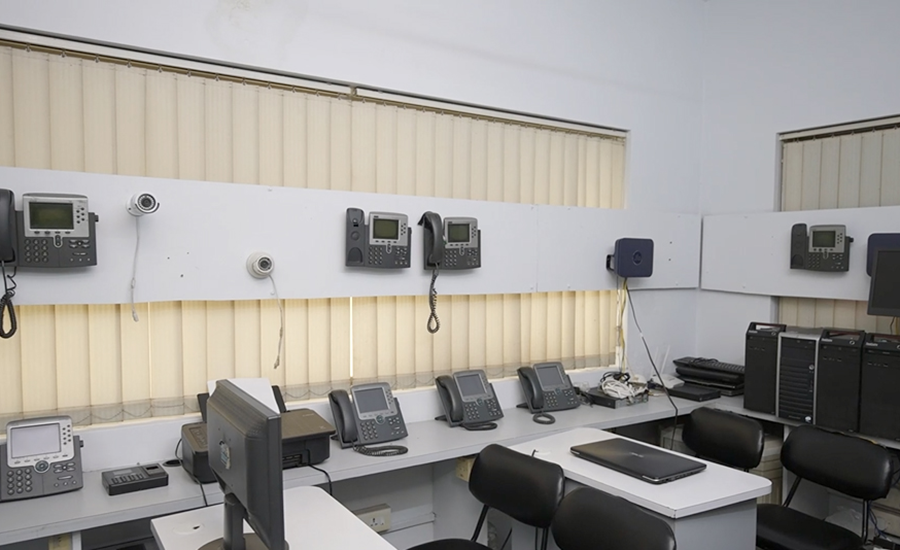
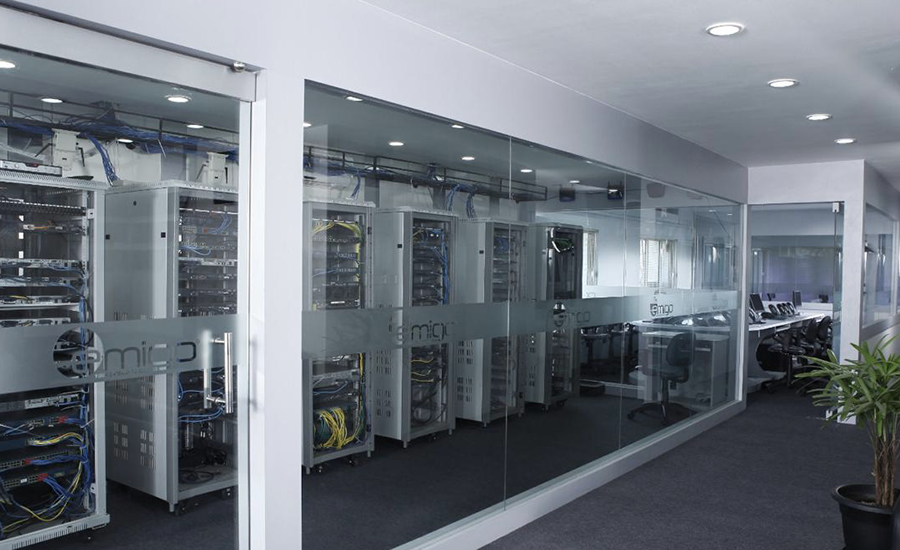
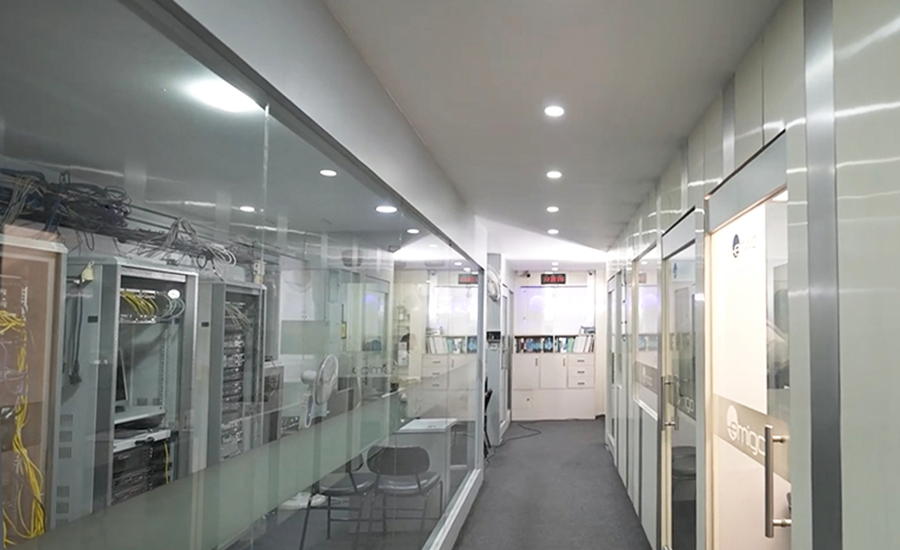
Our training sessions are meticulously crafted by our expert trainers. Every detail is designed to maximize efficiency, ensuring that you get the most value out of your time.







Sunil Kumar KY
Senior Infrastructure Architect
HCL Technologies Bengaluru India
EMIGO's training proved invaluable. It deepened my understanding of complex infrastructure challenges and refined my strategic planning. The practical, real-world scenarios prepared me perfectly for advanced architectural roles.

Rushdie Kizhakeveetil
IT infrastructure Architect
Howserv Limited, England
Training in EMIGO's was exceptional. It provided practical, in-depth knowledge crucial for modern IT infrastructure. I gained immediate applicable skills, significantly boosting my ability to design and manage robust systems.

Sreejith Mungath
Network Support Engineer
CiscoTAC, Bengaluru India
My troubleshooting and diagnostic skills significantly upgraded thanks to the training at EMIGO. The hands-on labs and expert guidance provided practical solutions, making me more efficient and confident in resolving complex network issues.

Prijeesh Naduvalath
Collaboration Engineer
HCL Technologies Chennai India
The training significantly enhanced my capabilities in unified communications and team collaboration platforms.My ability to design and implement seamless solutions for modern workplaces truly advanced,thanks to EMIGO.

Sreeram Padinhitta
Network Engineer
UST Global, Bengaluru, India
My technical prowess in network design,implementation, and troubleshooting greatly improved.EMIGO's practical approach and expert instructors provided invaluable insights, strengthening my foundational and advanced networking skills.

Abdul Muhsin K S
Network Architect
Mindtree, Pune, India
EMIGO's professional training was instrumental. Their expert instructors provided deep insights, enhancing my architectural design skills and problem-solving abilities significantly. Highly recommended for network architects seeking to elevate their expertise

Brodwin Bellermin
Network Engineer
Cezen Technology, Bengaluru India
The advanced concepts and real-world scenarios covered were exceptional. I now confidently tackle complex network challenges and optimize performance, a direct result of the comprehensive training received at EMIGO.

Mohammed Sinan Sha
IT Support Engineer
Mantel, Infopark Kochi India
My problem-solving skills and technical proficiency in supporting diverse IT environments saw a remarkable improvement. The practical, hands-on training from EMIGO equipped me to handle user issues and system maintenance with greater expertise.