Why should I attend CompTIA Network+ certification training at Emigo Networks in Kerala?
Enrolling in CompTIA Network+ certification training at Emigo Networks will significantly enhance your networking skills and knowledge, which are crucial for IT roles involving network management and support. This certification lays a solid foundation in networking principles and can propel your career forward in IT.
Where can I get CompTIA Network+ certification training in Kerala?
Emigo Networks offers CompTIA Network+ certification training across various locations in Kerala, including Trivandrum. They provide expert-led instruction focusing on practical skills and current networking concepts.
Can I get CompTIA Network+ certification training with hands-on labs in Kerala?
Yes, Emigo Networks provides CompTIA Network+ certification training in Kerala that includes hands-on labs and practical exercises. This ensures you gain valuable real-world experience and technical skills essential for network management.
What are the prerequisites for CompTIA Network+ certification training?
While there are no formal prerequisites for CompTIA Network+ certification training, having a basic understanding of computer and networking fundamentals can be beneficial.
Which institute is best for CompTIA Network+ certification training in India?
Emigo Networks is highly regarded for CompTIA Network+ certification training in India. Their comprehensive and practical training programs are designed to thoroughly prepare you for the certification exams.
Can I access CompTIA Network+ certification training online in Kerala?
Yes, Emigo Networks offers online CompTIA Network+ certification training in Kerala, providing flexible schedules and interactive learning options to accommodate your needs.
Can I choose my class timings for CompTIA Network+ certification training?
Emigo Networks offers flexible class timings for the CompTIA Network+ certification course, allowing you to select a schedule that fits your personal and professional commitments.
Will I have access to live projects during the CompTIA Network+ course?
The CompTIA Network+ course at Emigo Networks includes practical labs and simulations but typically does not involve live projects. The focus is on hands-on labs and real-world scenarios.
Will I have access to a lab for hands-on practice?
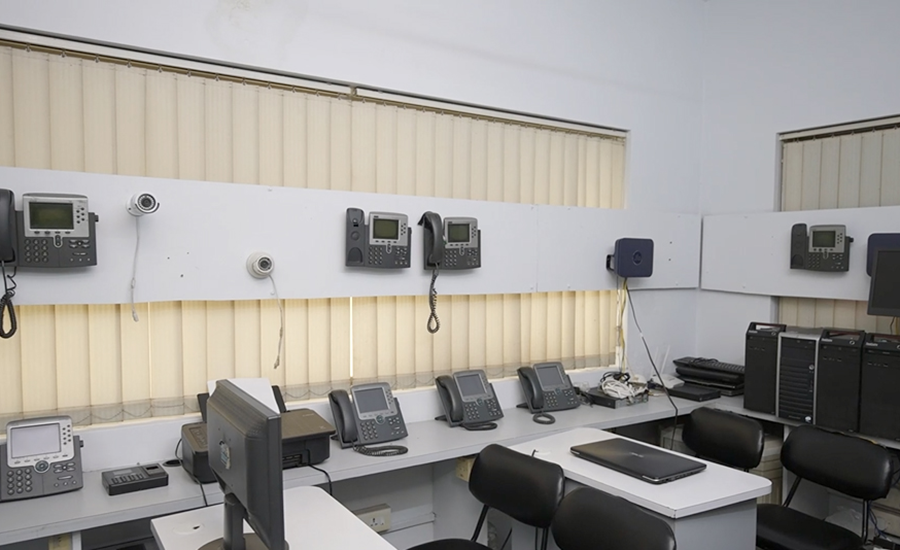
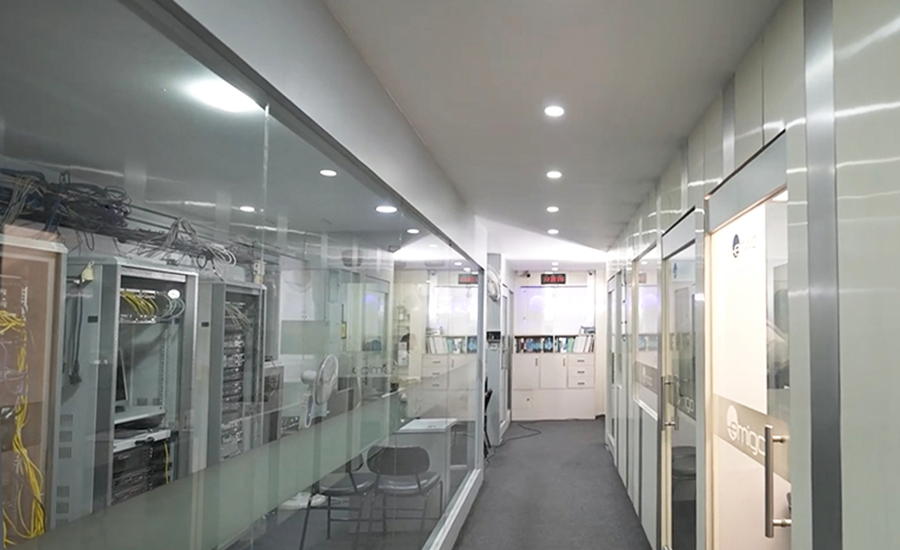
Yes, Emigo Networks provides access to lab environments where you can effectively practice and apply your networking skills during the CompTIA Network+ certification training.
Is the CompTIA Network+ certification course available both online and offline?
Emigo Networks offers both online and offline CompTIA Network+ certification courses, catering to different learning preferences and needs.
What are the fees for the CompTIA Network+ certification course at Emigo Networks?
For detailed information on the fees for the CompTIA Network+ certification course at Emigo Networks, please contact them directly, as fees may vary depending on the course package and any ongoing promotions.
How long is the CompTIA Network+ certification course?
The duration of the CompTIA Network+ certification course at Emigo Networks typically ranges from 40 to 60 hours, depending on the depth of material covered and the learner’s pace.
Can I obtain certification after completing the CompTIA Network+ course?
Yes, upon completing the course at Emigo Networks, you will be well-prepared to take the CompTIA Network+ exams and achieve certification.
Does Emigo Networks provide placement assistance after the course?
Emigo Networks is committed to providing quality training. For details on career support and placement assistance, please inquire directly with their team.
What are the benefits of obtaining CompTIA Network+ certification?
CompTIA Network+ certification validates your expertise in network management and troubleshooting, enhances your employability, and can lead to career advancement in IT networking roles.
What is the exam format for CompTIA Network+ certification?
The CompTIA Network+ certification exams consist of multiple-choice and performance-based questions. Each exam typically lasts 90 minutes and assesses your networking knowledge and problem-solving skills.
Can I pursue multiple CompTIA certifications simultaneously?
Yes, you can pursue multiple CompTIA certifications, but it’s advisable to focus on one certification at a time to ensure a thorough understanding and mastery of each subject.
How often does CompTIA Network+ certification need to be renewed?
CompTIA Network+ certification is valid for three years. To maintain your certification, you will need to complete continuing education requirements or retake the exam.
How much does the CompTIA Network+ certification course cost in Kerala?
For specific pricing details for the CompTIA Network+ certification course in Kerala, please contact Emigo Networks directly.
What other CompTIA certifications can I pursue after CompTIA Network+?
After obtaining CompTIA Network+ certification, you can pursue additional CompTIA certifications such as CompTIA Security+, CompTIA Server+, and CompTIA Linux+ for further specialization.
Are there any discounts or special offers available for the CompTIA Network+ course?
For information on discounts or special offers for the CompTIA Network+ course at Emigo Networks, please contact them directly.
What is the format of the training material provided in the course?
Emigo Networks provides a mix of online resources, interactive sessions, and practical labs for the CompTIA Network+ certification course to ensure a comprehensive learning experience.
Are there opportunities for networking with other professionals during the course?
Yes, the CompTIA Network+ certification course at Emigo Networks includes opportunities for networking with fellow learners through collaborative activities and interactive sessions.
What additional support is available during the CompTIA Network+ course?
Emigo Networks offers additional support including access to experienced instructors for queries, supplementary learning resources, and guidance on exam preparation to ensure your success.
What career paths can I explore with CompTIA Network+ certification?
With CompTIA Network+ certification, you can pursue career paths such as Network Administrator, Network Support Specialist, Systems Administrator, and IT Consultant, among others.
Can I get personalized training for CompTIA Network+ certification in Kerala?
Yes, Emigo Networks offers personalized training options for CompTIA Network+ certification in Kerala to cater to individual learning preferences and requirements.
What types of assessments are included in the CompTIA Network+ course?
The CompTIA Network+ course at Emigo Networks includes various assessments such as quizzes, practice exams, and practical labs to help reinforce your learning and prepare you for the certification exam.
Are there any prerequisites for enrolling in the CompTIA Network+ course at Emigo Networks?
There are no formal prerequisites for enrolling in the CompTIA Network+ course at Emigo Networks, but a basic understanding of networking concepts can be helpful.
How can I register for the CompTIA Network+ certification course at Emigo Networks?
You can register for the CompTIA Network+ certification course at Emigo Networks by visiting their website or contacting their admissions team directly for guidance on the registration process.
What resources will I receive during the CompTIA Network+ course?
During the CompTIA Network+ course, you will receive access to study materials, practice exams, and lab exercises to aid in your learning and exam preparation.